
The Innovation of Gemini 3 — An AI That Can "Think Deeply"
Google's AI "Gemini 3" represents a significant leap beyond previous AI models. It has evolved from a simple task-executing robot into a capable partner that can engage in deep, deliberate reasoning.
What's particularly noteworthy in the design field is its ability to make proposals while considering the reasoning behind design decisions. "Why this color scheme?" "Why is this layout effective?" — The ability to factor in the "why" behind decisions marks a major breakthrough.
Features of Nano Banana Pro
The image generation AI "Nano Banana Pro" is also making a significant impact on the design industry.
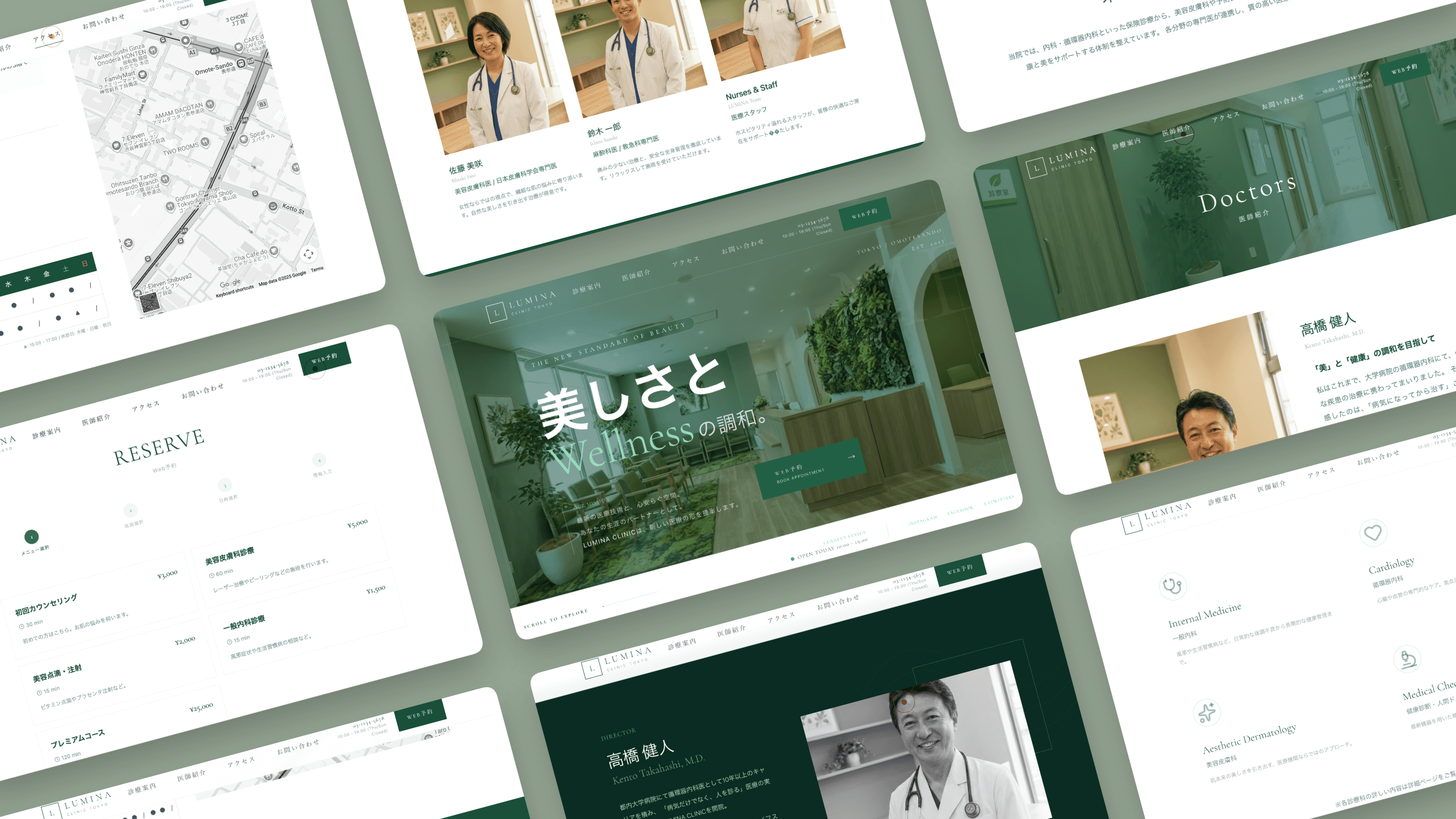
Accurate Japanese Text Rendering in Images
Previous image generation AIs struggled with rendering Japanese text, but Nano Banana Pro can accurately render Japanese characters within images. For banner and poster design that includes Japanese text, this is an enormous advantage.
CMF Variation Feature
The "CMF variation" feature — which changes only materials and colors — is another standout. It efficiently creates material and color variations while preserving the product's form. This is immediately practical for tasks like product design color variation development.
Vibe Coding — Generating Web Apps from Hand-Drawn Sketches
A new approach called "Vibe Coding" is also introduced. Simply show a hand-drawn sketch to the AI, and it generates a functional web app — a remarkable technology.
No programming knowledge is required, and ideas can be implemented directly. Designers can take the image in their mind and turn it into a prototype via the shortest possible path.
How Will the Designer's Role Change?
The most important insight in the article concerns the evolution of the designer's role.
Execution-Based Work Will Decline
The trend of AI replacing "execution-based" work — pixel-level adjustments, templated banner production — is inevitable.
"Meaning-Making" Work Becomes More Important
On the other hand, "meaning-making" work — answering "why this design?" — will become even more important. Understanding a brand's world, empathizing with user emotions, and determining design direction — these upstream processes are where human designers should focus.
From "Craftsperson" to "Film Director"
The designer's position shifts from "craftsperson" to something more like a "film director." Rather than doing the hands-on work yourself, you direct AI — your talented staff — to produce the best possible output. This new way of working will become the mainstream.
Practical Applications
The following approaches are introduced as AI applications you can start using right away:
- Extracting key points from research data — Quickly extract important insights from vast user research datasets
- Brainstorming partner — Use AI as a brainstorming companion for idea generation
- A/B test copy suggestions — Have AI propose variations for button text and CTA wording
Conclusion
The arrival of Gemini 3 and Nano Banana Pro marks a major turning point for the design industry. Viewing AI not as a "rival" but as a "partner" and actively leveraging it will become an essential skill for designers going forward.