Logo Designs Built Entirely with Fonts
Many famous companies and brands use simple logo designs composed entirely of typography. Without relying on a symbol mark, they build a strong brand image through letterforms alone — a strategy powered by deliberate font selection.
Two Categories of Latin Typefaces
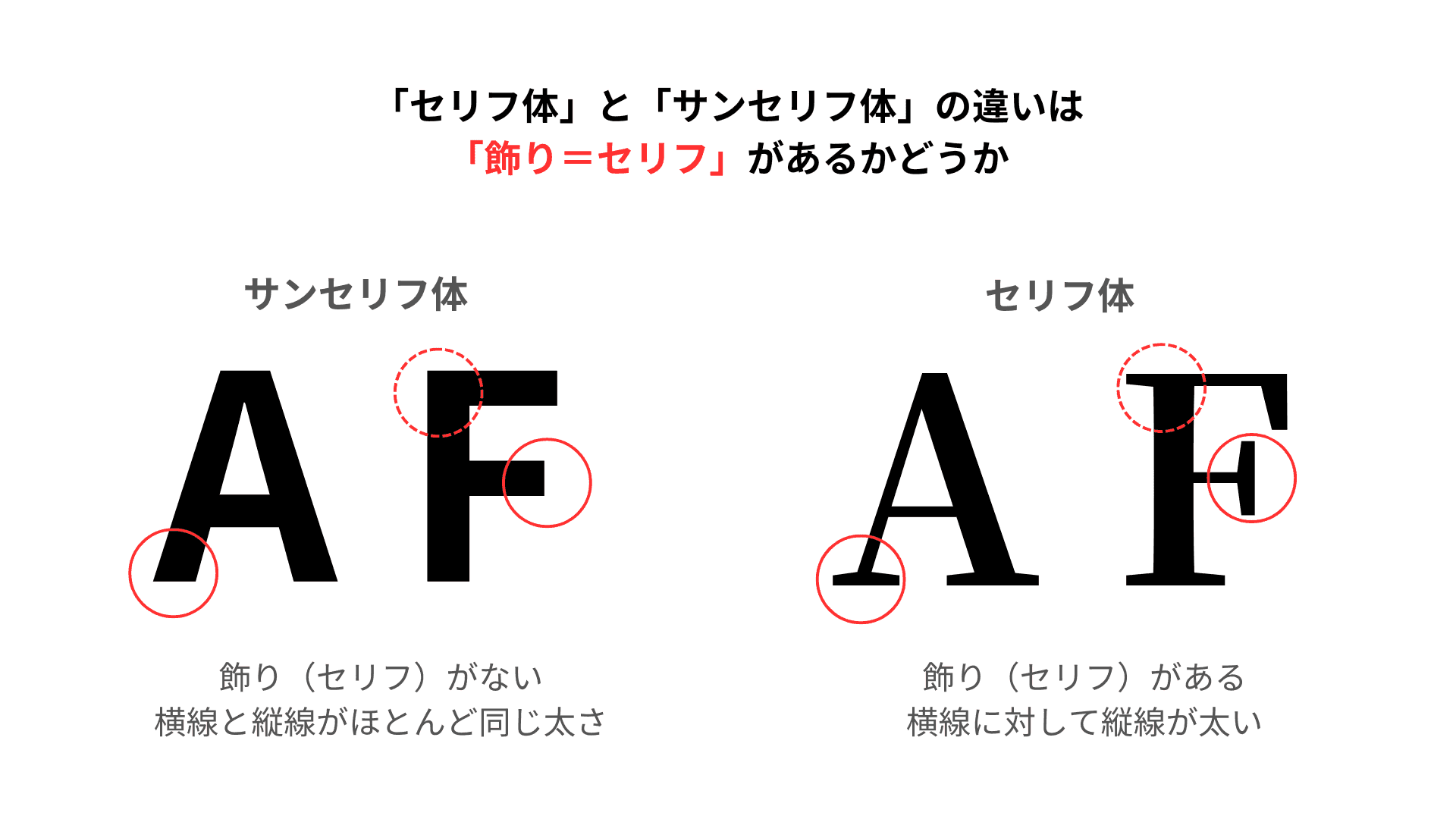
Latin typefaces are broadly divided into two categories: serif and sans-serif.
Sans-Serif
Sans-serif typefaces lack the small decorative strokes (serifs) at the ends of letters. Originally created for signage, they have a long history of use in posters and commercial applications. They convey a modern, clean impression.
Serif
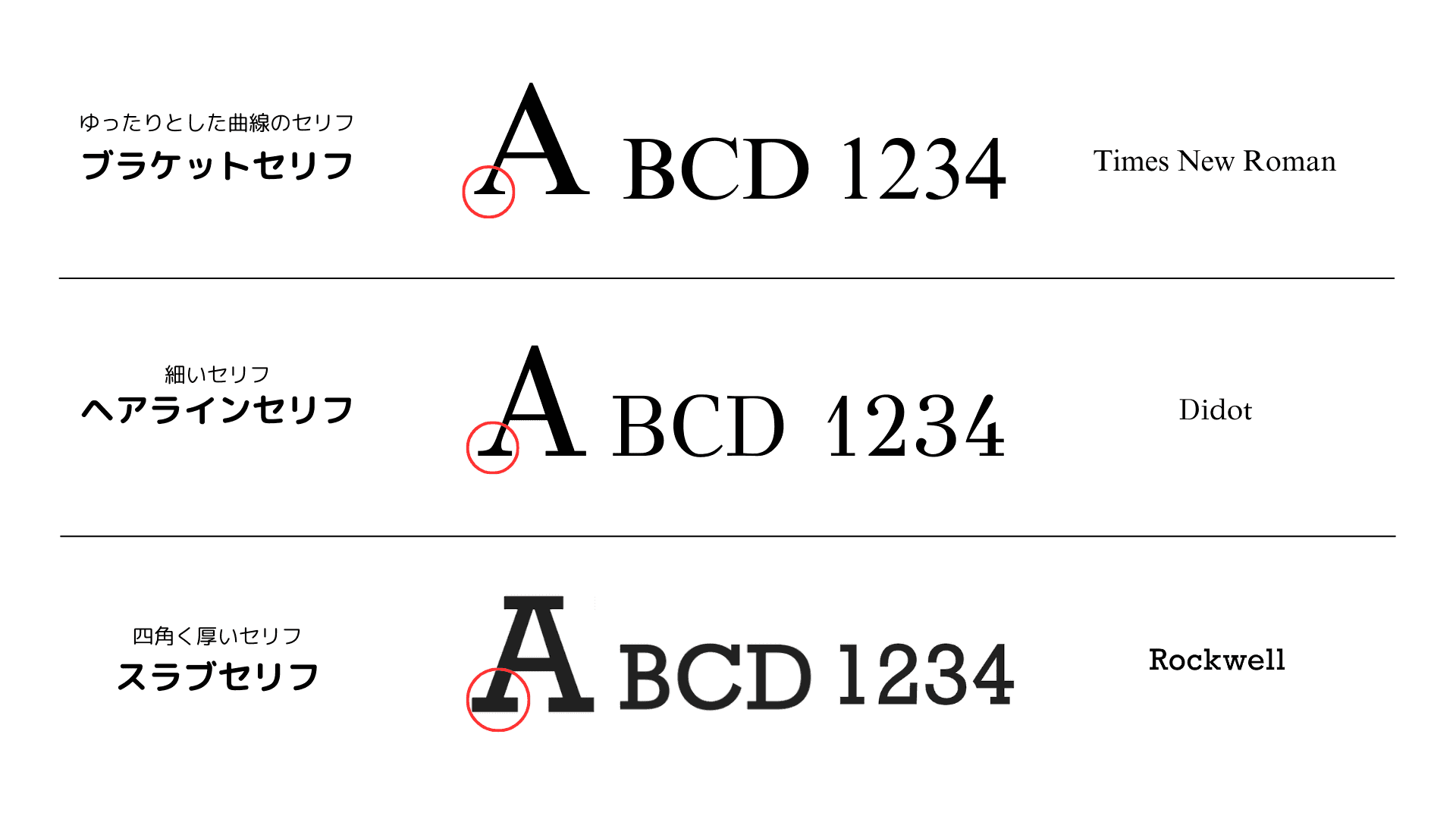
Serif typefaces feature decorative strokes at the ends of letters and can be further classified into three types based on serif shape:
- Bracket Serif — curved and readable, ideal for books (e.g., Times New Roman)
- Hairline Serif — thin serifs that feel elegant, popular in the fashion industry (e.g., Didot)
- Slab Serif — thick, blocky serifs that stand out, suited for advertising (e.g., Rockwell)
Fonts Used by Famous Companies
Sans-Serif Examples
Helvetica (1957)
A highly versatile font that conveys "timelessness" and "universality." It is one of the most widely used typefaces in the world.
Used by: Toyota, Panasonic, Microsoft
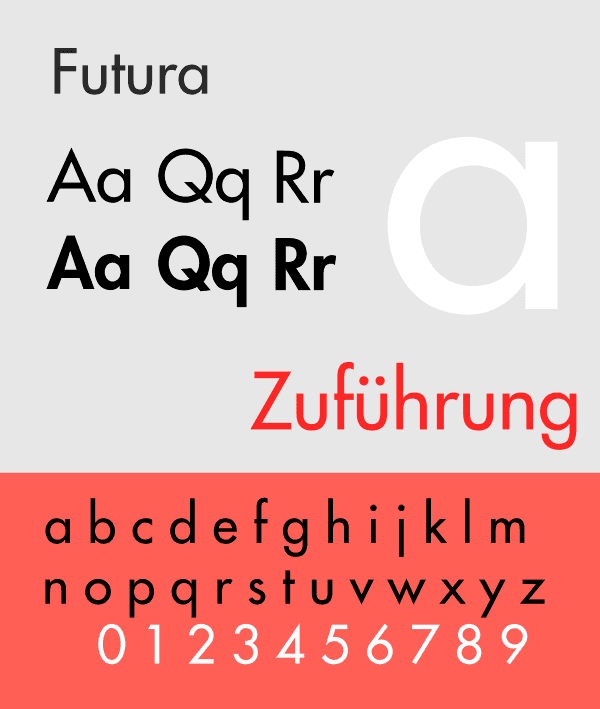
Futura (1923)
A geometric sans-serif with an "innovative" and "futuristic" feel. Especially popular in the fashion and art industries.
Used by: Louis Vuitton, Supreme, Dolce & Gabbana
DIN (1990s)
A highly legible font that conveys "approachability." Derived from the German Industrial Standard (DIN), it is a practical typeface.
Used by: Tokyo Olympics logo, UNIQLO
Serif Examples
Garamond (16th century)
A historic font that conveys "nuance" and "elegance." It gives an intellectual, refined impression.
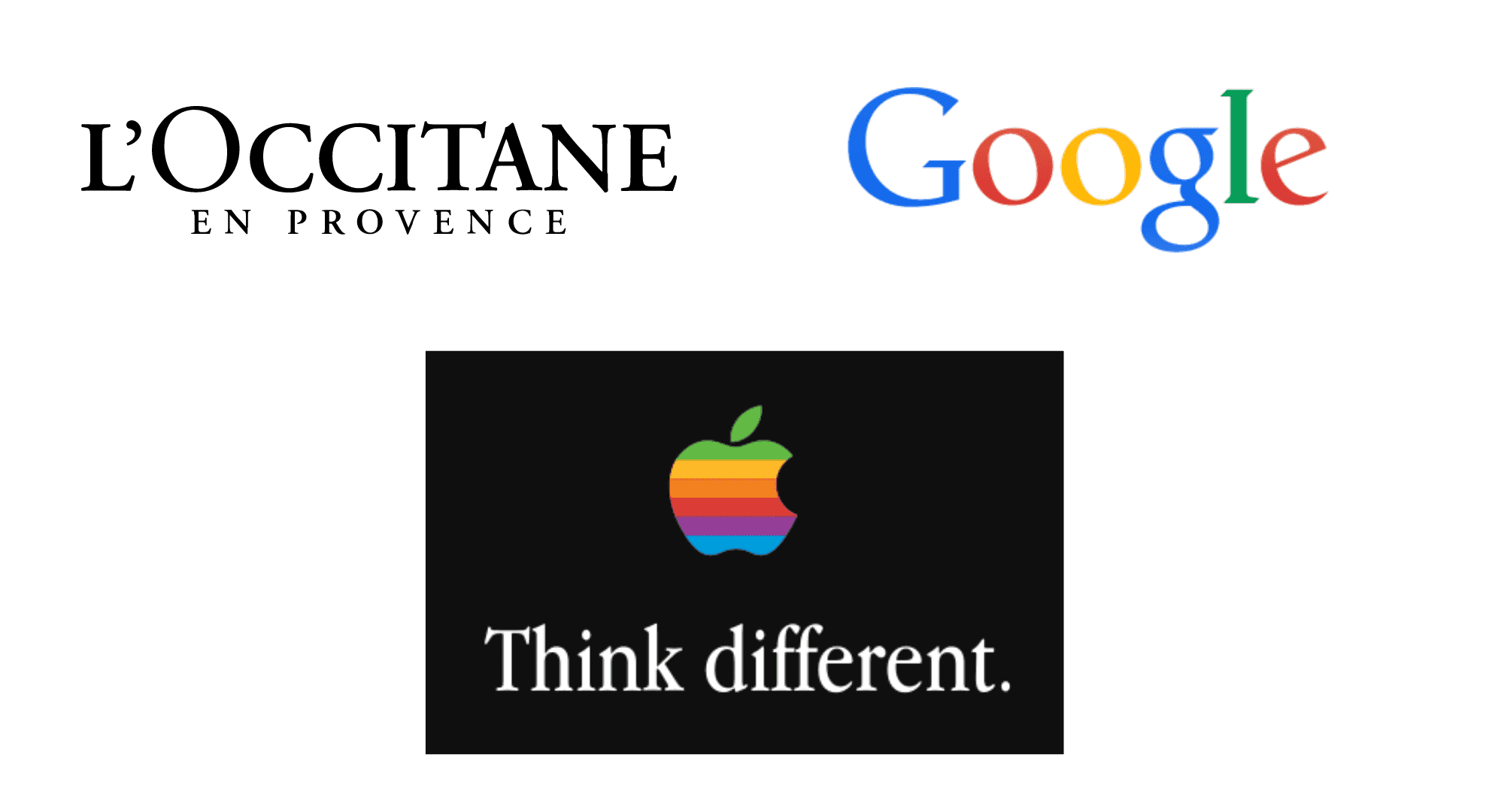
Formerly used by: Google (old logo)
Didot (1811)
A font that conveys "luxury" and "femininity." It is an iconic typeface in the fashion industry.
Used by: VOGUE, Armani, Dior
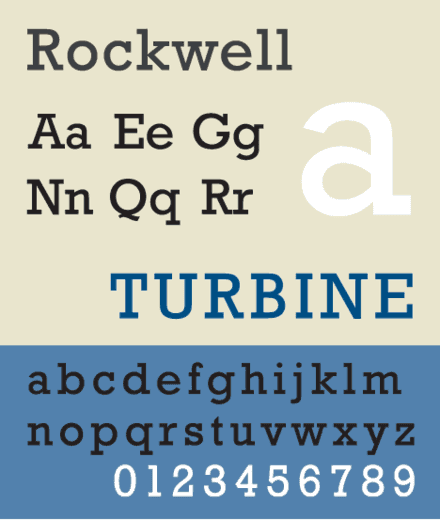
Rockwell (1934)
A slab serif with an "energetic" and "pop" feel. It combines boldness with a casual touch.
Used by: Playboy, Hollywood Records
Key Points for Choosing Fonts
Designers don't simply use existing fonts as-is. They customize stroke weight and letter spacing to align with the brand image.
Fonts that have been in use for many years carry accumulated "familiarity and trust" from people. Through the history and personality that a font embodies, it can intuitively communicate a brand image to a broad audience.
Conclusion
Font selection is a fundamental element that forms the backbone of logo design. Understanding the history and character of each font, and choosing a typeface that aligns with your brand's worldview, is key to building a strong brand identity.