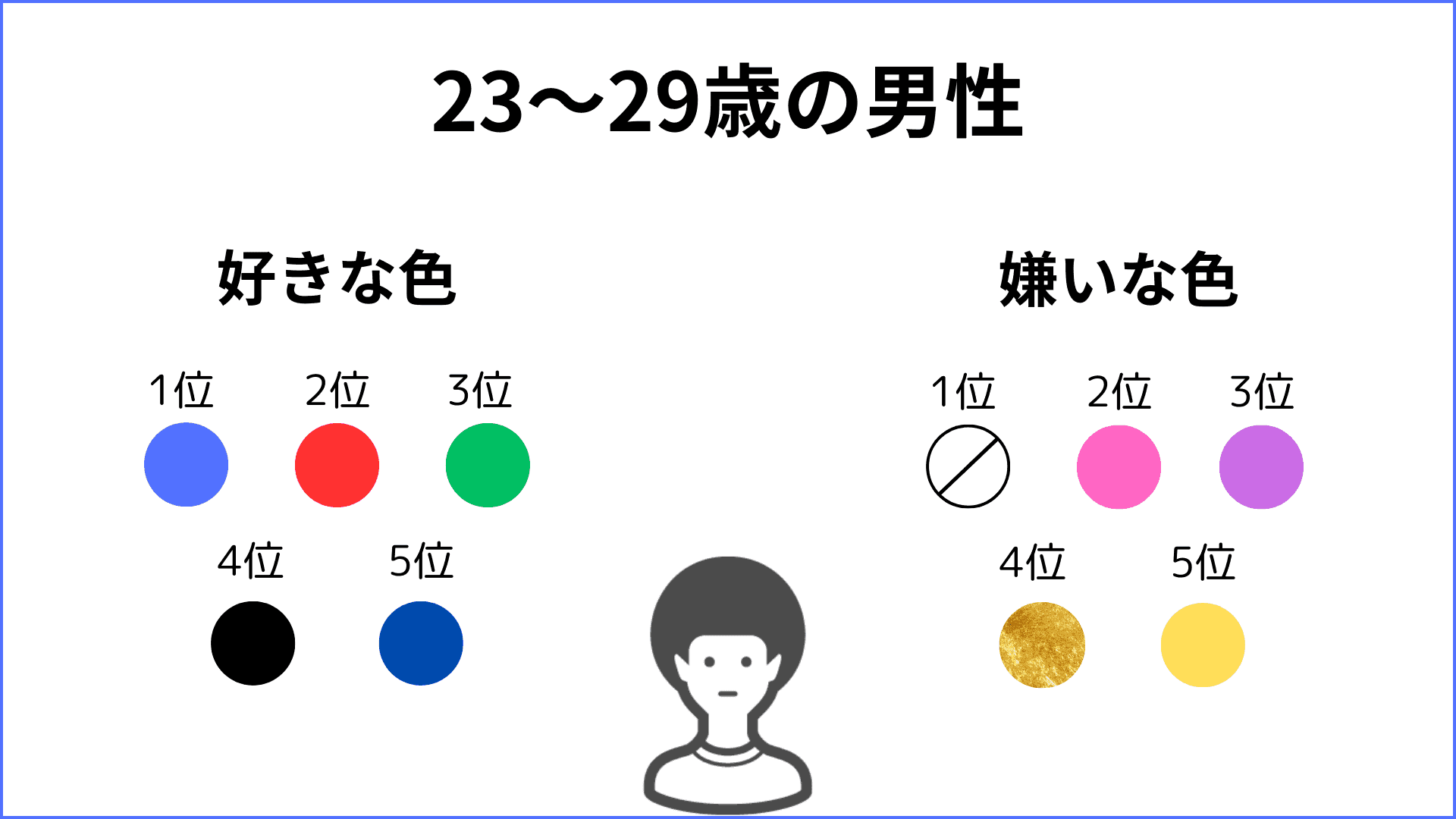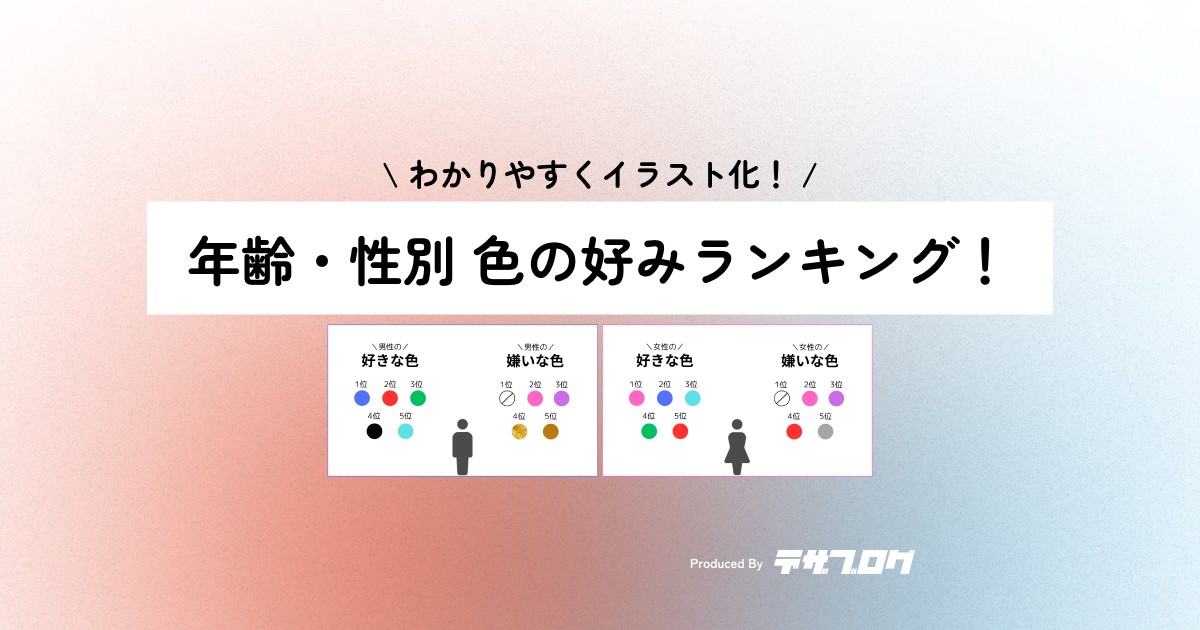
Why Is Understanding Color Preferences Important?
In design, understanding your target audience's color preferences is extremely important. By using colors your audience likes, you can increase reach and directly impact the performance of banner ads and landing pages.
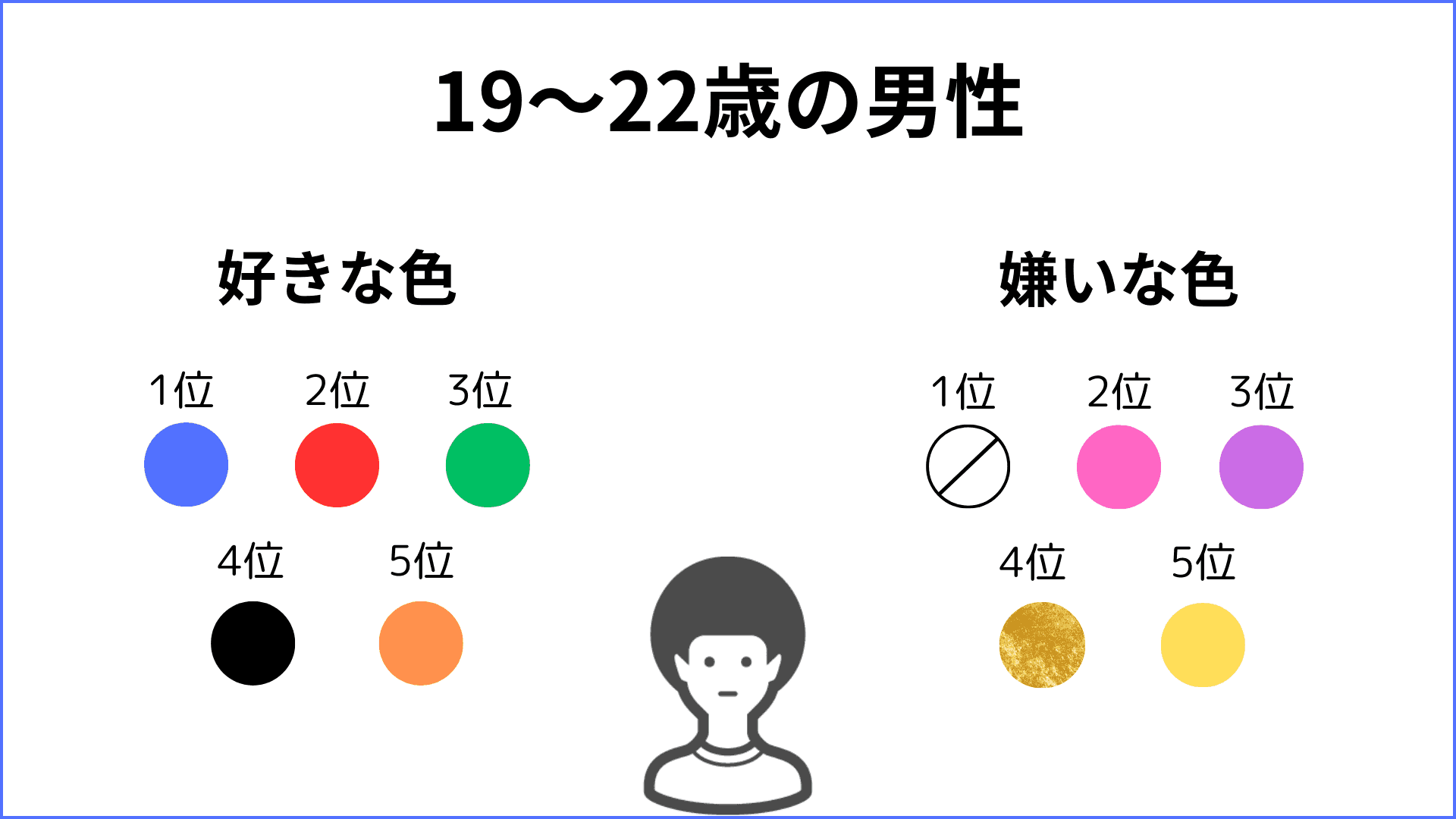
This article presents color preference rankings by age and gender based on approximately 80,000 survey responses (collected from 2012 to 2017).
Color Preferences by Gender
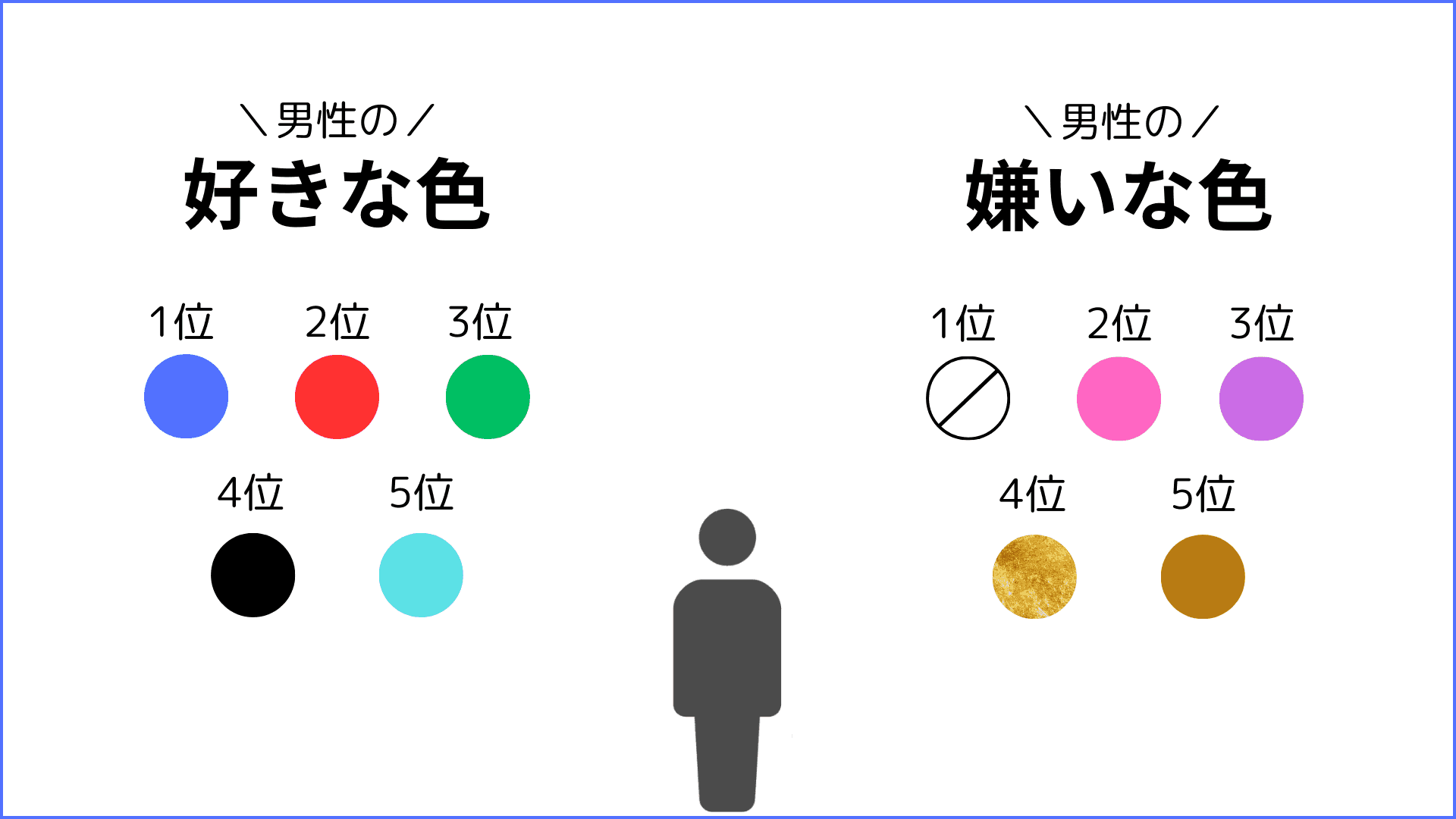
Colors Men Prefer
- Blue — conveys calmness and trustworthiness
- Red — conveys energy and passion
- Green — conveys a sense of safety and nature
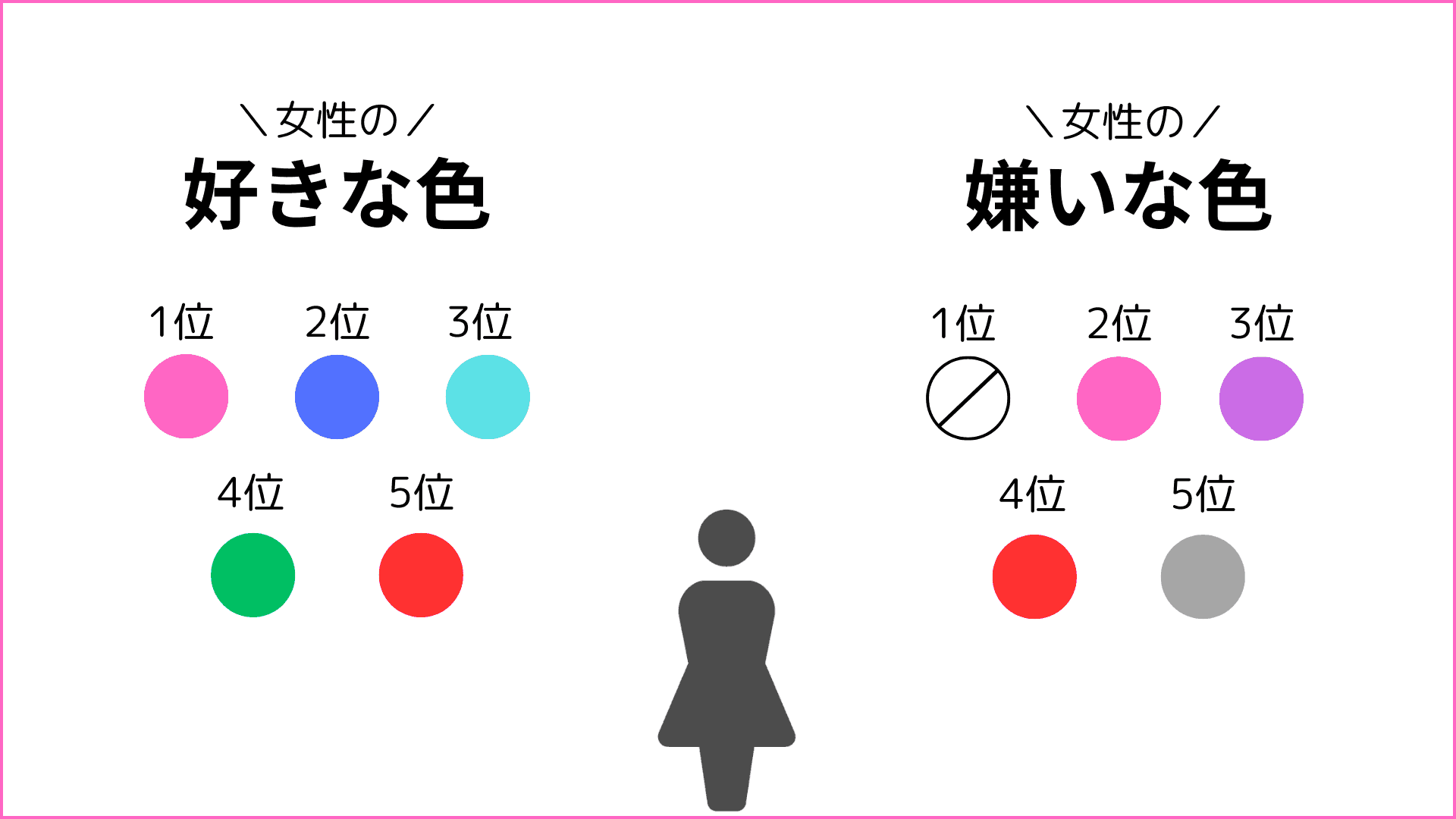
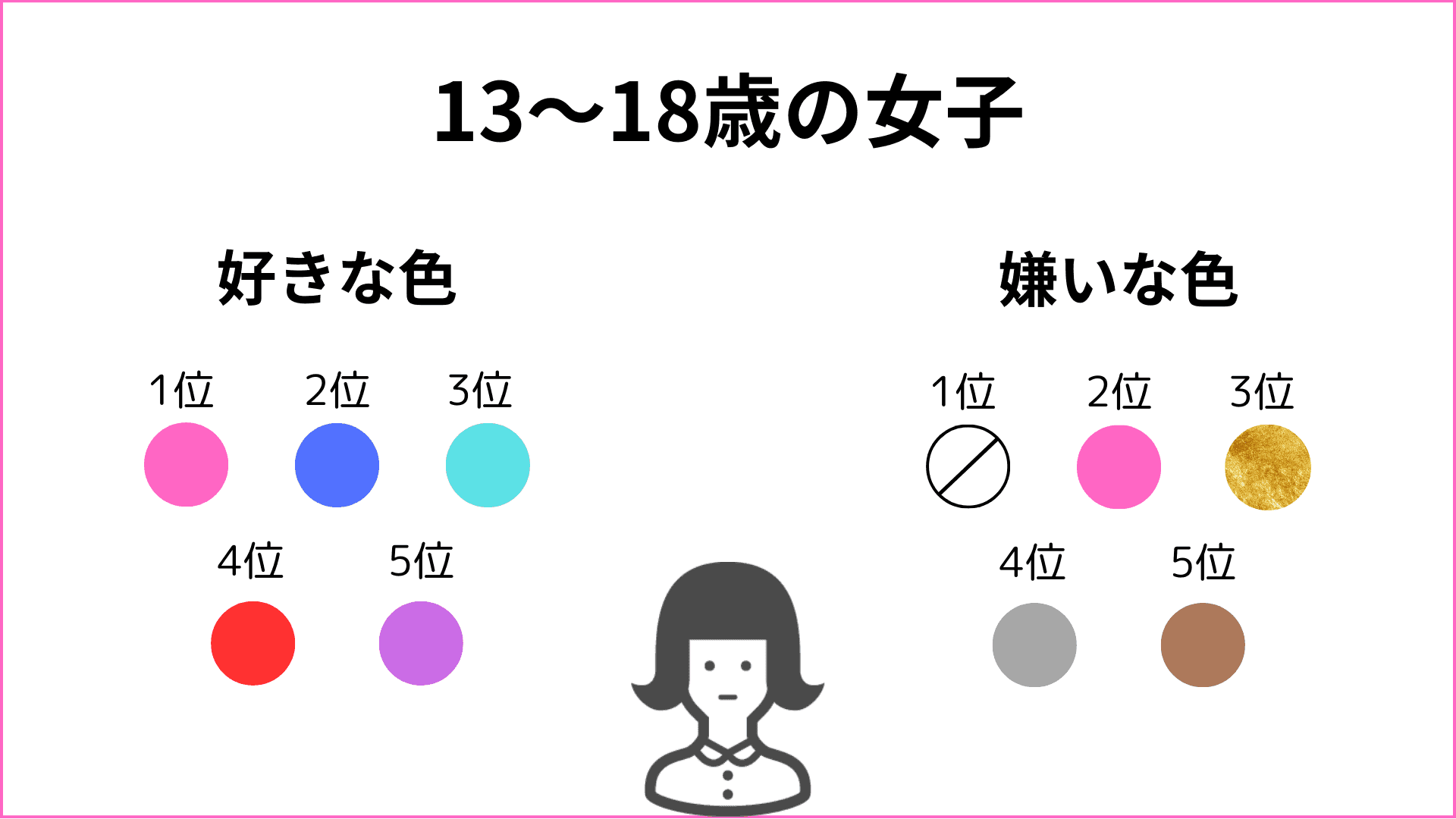
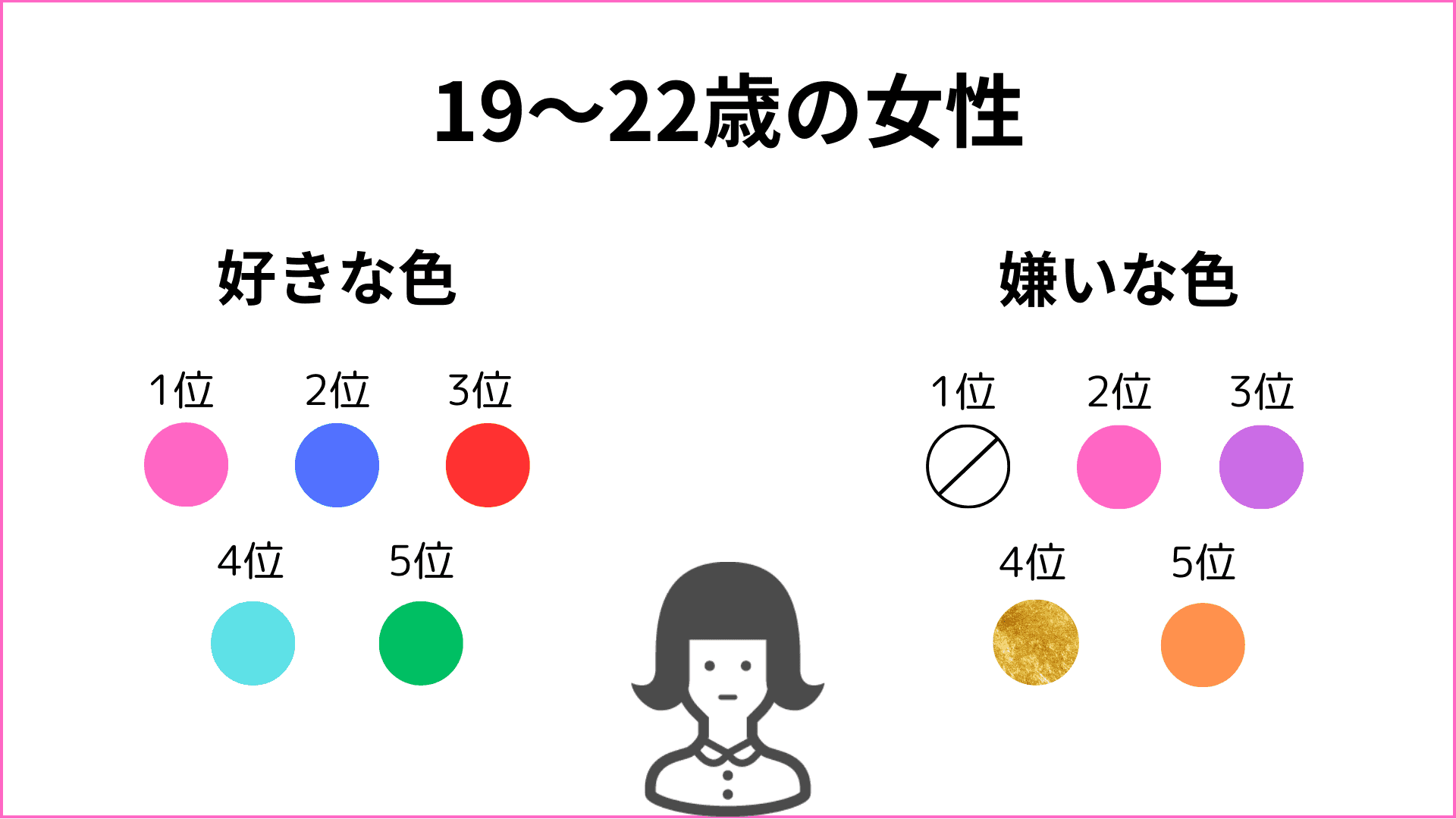
Colors Women Prefer
- Pink — conveys gentleness and cuteness
- Blue — conveys freshness and cleanliness
- Light blue — conveys lightness and transparency
An Interesting Finding
While pink is the most popular color among women, many people also said they dislike it — a polarized result. Designs using pink can work either for or against you depending on your target audience, so careful judgment is needed.
Trends by Age Group
Children
- Tend to prefer vivid colors and gold
- Respond well to bright, primary-like colors
Teenagers
- Black ranks among boys' preferred colors
- Fashion and subculture trends influence color preferences
Adults (20s and older)
- People tend to wear black and gray more as they age
- However, these don't tend to rank as "favorite colors" (the colors you wear and the colors you love are different)
Common Across All Ages
Across all age groups, "I don't have a disliked color" was the most common response. In other words, most people don't have strong aversions to specific colors — acceptance depends on context.
How to Apply This to Design
Banner Ads
Choosing a main color that matches your target audience's gender and age group can help improve click-through rates.
Landing Pages
Using your target audience's preferred colors for the first-view background or CTA button can lead to improved conversion rates.
Branding
Designing a color palette that aligns with your brand's target demographic can increase brand affinity and trust.
Important Caveats
Color preferences also vary by culture and era. This data should be used as a general reference, and final design decisions should ideally be validated through empirical methods such as A/B testing.
Conclusion
Understanding your target audience's color preferences is essential foundational knowledge for maximizing design effectiveness. Use these rankings based on approximately 80,000 data points as a reference to create more effective designs.